
Gardening With Bulbs
Planting Depth
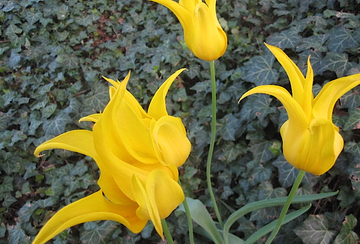
Aside from bulbs being eaten in winter, the most frequent issue affecting their performance is incorrect planting depth.
If planted too deep, they may not be able to surface, thus missing their flowering period.
Plant them too shallow and they will emerge too early and freeze before they can flower.
Packaging usually indicates the ideal depth, but here are some general rules for bulbs bought in bulk:
- plant tulips and hyacinths at a depth of six inches.
- plant lilies (excluding Madonna and Turk's Cap), daffodils, and Dutch irises at a depth of at least eight inches.
- plant smaller bulbs such as crocuses, snowdrops, grape hyacinths, Turk's cap lilies, and scillas at a depth of four inches.
- for irises, Madonna lilies, callas, lily of the valley, dahlias, anemones, and Persian buttercups, plant bulbs, corms, and rhizomes just beneath the surface, barely covered with soil.
Bulbs are happy when they grow together in nests of four or five; add a good handful of bonemeal in the planting hole before placing them in it to give them a good start.
One more thing: make sure to plant the bulbs with their root ends down. While it appears straightforward, differentiating which side of the corm is the root end for plants like anemones and crocosmia is actually quite challenging. The usual rule of placing the flatter side down is reversed for anemones, which need to be planted pointy side down.
If you are unsure, place them on their sides. They'll figure it out.

When to Plant
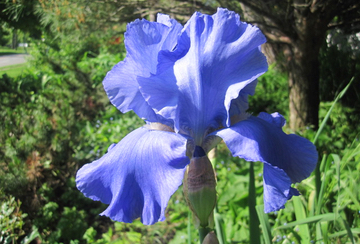
Spring bulbs like crocuses, hyacinths, daffodils, tulips, narcissus, snowdrops, and grape hyacinths, need to spend the winter in the ground in a cold climate in order to bloom.
They should be planted in the fall before the ground freezes, or chilled in the fridge for six to twelve weeks if planted in spring or forced indoors.
Keep them away from fruits like apples or bananas, which produce ethylene gas. It will kill their flower buds.
You can force chilled bulbs to bloom inside by planting them in special bulb vases or in bowls with rocks, grouping three or four together.
The water should be just enough to cover the filament roots at the bottom, otherwise the fleshy part of the bulb will rot.
After the threat of a hard freeze has subsided in spring, you can plant summer bulbs corms and rhizomes like dahlias, tuberoses, lilies, gladioli, callas, cannas, anemones, ranunculus, and Fritillaria.
The truth is, you can plant any bulb whenever you wish, but those needing a chilling period won't bloom until they've spent one winter in the ground.
Potted Bulbs
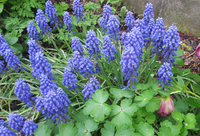
When planting bulbs in pots, layer them to the correct depth and leave them undisturbed.
Plants in containers, including bulbs, require more care than garden plants, as the soil dries out and nutrients deplete faster.